XpatAthens

XpatAthens

Thursday, 11 June 2020 07:00

Greek Summer Is A State Of Mind

"Greek Summer is a state of mind… This year, enjoy your Greek summer wherever you are…" is the message of the most recent Greek tourism campaign.
 
The campaign was presented last week at Cine Aegli open-air cinema in Athens. It included the screening of the campaign's new video to representatives of tourism organizations, politicians, the media, and Greek Prime Minister Kyriakos Mitsotakis.

According to Marketing Greece CEO Ioanna Dretta, the campaign aims to send a positive message and inspire travelers around the world to come to Greece whenever possible.
 
"Through the campaign we aim to create a lasting expectation. To build a new brand and create a desire (for travel) that can be fulfilled for all once the conditions allow it. The Greek summer will always be here," Dretta stated before the screening.


To read this article in full, please visit: gtp.gr
Tuesday, 02 February 2021 11:28

A Funny, Upbeat Greek Song About Staying Home!

From March till May 2020, and from November 2020 until now, we have been spending lots of time indoors due to the COVID 19-related lockdowns in Greece.

Staying at home is very important given the current circumstances, but it doesn’t have to feel dull. We would like to introduce you to a funny and upbeat Greek song about – what else? – staying home and relaxing!

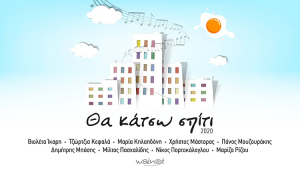
Even though the song Θα Κάτσω Σπίτι (Tha Katso Spiti – I'll Stay At Home) dates back to 1986, nowadays it feels more relevant than ever. The song was originally written and performed by Greek singer-songwriter Loukianos Kilaidonis, while the version you will listen to here is a remake sung by numerous contemporary Greek singers (order of appearance): Violeta Ikari, Giorgia Kefala, Maria Kilaidoni, Christos Mastoras, Panos Mouzourakis, Dimitris Basis, Miltos Pashalidis, Nikos Portokaloglou, and Mariza Rizou.


It’s a well-meaning initiative to spread the message that people need to stay home (#menoumespiti) whilst looking at the bright side: staying safe and healthy, maintaining a positive attitude, and making the most of these days spent indoors.

Click here to listen to the new cover of Θα Κάτσω Σπίτι (I Will Stay home) and sing along!

To read the lyrics in Greek, as well as the English translation, click here.

omilologoSmall.png
About OMILO

Omilo Greek Language and Culture inspires people from all over the world to learn Greek, while exploring Greece. They offer 1- and 2-week courses for adults that combine beautiful course locations, experienced teachers, and a balanced combination of Greek classes with cultural activities. All these make Omilo a place where people enjoy learning modern Greek and have fun.

Besides the courses, Omilo also creates online publications to help adults expand their language skills through Language Books and eBooks for different language levels.

Parenting and teaching come with their fair share of challenges, but that’s exactly what @you_kiddo_it is here for! This Greek-language Instagram page is all about kids, parenting, emotions, education, and everyday moments—shared in a way that's fun, relatable, and backed by scientific knowledge and experience.

Behind the page are three passionate girls who joined forces to bring their knowledge and love for children to life:

  • Angeliki, psychologist, dives into emotions, behavior, and child psychology.
  • Maria, social worker, explores family dynamics and social skills.
  • Maria, preschool educator, shares creative learning ideas and everyday parenting tips.

What You’ll Find on You Kiddo It

The page covers a broad spectrum of topics, from fun and educational games to more complex subjects like ADHD, emotional intelligence, and behavioral issues. The content is engaging, accessible, and grounded in professional knowledge—making it a go-to source for parents who want to understand and support their children better.

By sharing their expertise in an approachable and visually appealing way, You Kiddo It it's a growing community that empowers parents and educators to navigate the beautiful yet challenging journey of raising kids.

If you're looking for expert-backed, easy-to-digest parenting and teaching advice—all in Greek—@you_kiddo_it is definitely worth following!


Raising a child abroad can feel both exciting and overwhelming. For many American expat parents, Greece offers a warm community, a family-oriented culture, and ideal surroundings to raise children. 

The country’s slower pace of life, focus on family, and strong social bonds make it an inviting place to nurture young children. Greece also provides reliable healthcare, growing family benefits, and access to affordable childcare options. Many parents find these provisions easier to access here than in the U.S.

Yet, understanding healthcare, baby supplies, and local systems can take some getting used to. This guide breaks down what American parents in Greece need to know, so you can focus on early parenthood, not paperwork.

Understanding Maternity, Parental Leave, and State Support

Greece has expanded support for new parents in recent years. In 2024, the government raised the tax-free income threshold by €1,000 for families with children. It also extended the maternity allowance from four to nine months and increased the heating allowance from €3,000 to €5,000 per child. 

These measures aim to ease financial stress for young families. A key part of this support is the birth allowance, a one-time payment for every child born in Greece. Effective from 2024, the amount is now graduated. For the first child, parents receive €2,400, rising to €3,500 for the fifth and subsequent child, providing meaningful relief for growing families. 

If you’re an American living and working in Greece, you may qualify for certain local benefits depending on your residence and employment status. Parents who contribute to Greece’s national insurance (EFKA) can apply for maternity and parental leave allowances. Eligibility often depends on your work contract, so confirm with your employer or local EFKA office. 

Families also receive child benefits that vary by income and family size, ranging from about €28 to €70 per child. These payments are made six times annually in bi-monthly installments by OPEKA. Applications must be submitted through the government’s digital portal. Local municipalities and expat groups can help guide you through the process.

Infant Formula, Pricing, and Regulation in the Greek Market

Many expat parents are surprised by how expensive infant formula is in Greece. According to Le Monde, an 800-gram container of powdered formula can cost up to €27, nearly double the price in other European countries. 

Newsday Greece reports that the rising prices forced the government to implement a 7% profit cap on baby formula. Greek authorities also fined several international companies for violating these caps. For parents, this means pricing is now more regulated, but selecting the right formula still requires care. When buying baby formula, always check for EU labeling and safety approval. 

Pharmacies across Greece stock many EU-certified brands, and pharmacists can help you choose the right one for your baby. Imported U.S. brands are harder to find and cost more. Many American parents follow product safety news back home. You may have read about the Similac lawsuit in the U.S., which raised concerns about specific infant formulas. 

According to TorHoerman Law, various Similac products were linked to necrotizing enterocolitis, a severe intestinal condition in premature infants. However, this case applies only in America and does not affect Greek or EU-regulated products. Still, staying informed about recalls can help you make safer choices, especially if you import formulas from abroad. 

Food safety in Greece follows strict EU standards, and local products are regularly inspected. If you live on an island or in a rural area, keep an extra tin or two, since delivery delays are common during peak seasons. 

Healthcare, Pediatric Access, and Vaccination Norms

Greece has both public and private healthcare systems, and expat parents often use a mix of both. The public system provides reliable pediatric care through regional hospitals and health centers, but wait times can be long. Private clinics, while more expensive, offer faster appointments and English-speaking pediatricians.

To access public healthcare, register with the national insurance system (EFKA) and obtain an AMKA number. This gives your family access to child health visits and vaccinations. Most vaccinations in Greece follow the World Health Organization’s schedule, so you won’t find major differences compared to the U.S.

A helpful tip for expat families: in many Greek neighborhoods, pediatricians still make house calls for newborn checkups. This can be a big comfort, especially during your baby’s first few weeks. Local parent groups can recommend trusted doctors who speak English or are familiar with the needs of foreign families.

If you plan to split time between the U.S. and Greece, carry a record of your baby’s vaccination history to avoid duplication. Pharmacies in Greece also provide over-the-counter baby medications, but you’ll need a doctor’s prescription for antibiotics or specialized formulas. 

Once your child’s healthcare needs are met, the next challenge is managing day-to-day essentials such as formula and supplies, especially outside major cities.

Managing Baby Supplies & Daily Life Across Greece

Outside of Athens and Thessaloniki, access to baby supplies can vary. Pharmacies are the primary source of baby formula, diapers, and baby care items. In smaller towns or islands, it’s smart to order in bulk or through online Greek pharmacies that deliver nationwide. 

Shipping from the U.S. can be unpredictable due to customs and inspection delays. Rely on EU-certified brands found locally when possible. These products meet high safety standards and are easier to replace if lost or recalled. Island residents should plan around ferry schedules and delivery slowdowns, especially during holidays. 

Keep a small emergency kit, formula, diapers, wipes, and basic medication, for times when stores close early or shipments are delayed. To understand daily living costs, consider the example of an American family that relocated from Texas to Greece. According to CNBC, they found life more affordable and balanced. 

The family, earning about $136,000 annually, reported spending roughly $1,400 per month on rent and utilities. Additionally, they spend $1,900 on food and $1,200 on medical expenses during their first month. Although their initial relocation cost about $15,000, they described the Greek lifestyle as more fulfilling, and financially lighter compared to the U.S.

While day-to-day logistics can take effort, most expat families adapt quickly. Many American parents say that once they understand how local systems work, they find Greece a welcoming and supportive place to raise children.

Frequently Asked Questions

1. What documents do American expats need to access healthcare in Greece?

American expats need an AMKA number (social security ID) to access Greece’s public healthcare. You can apply for it through your local KEP (Citizens’ Service Center) with your passport, residence permit, and proof of address. Private health insurance is recommended to cover services not included in the public system.

2. What are the private childcare options for infants in Greece?

For infants under 4 years old, you'll find both municipal and private infant care centers (Vrefonipiakoi Stathmoi). Private crèches (daycare) can admit babies as young as 2–6 months, though public centers often start closer to 6 months. For personalized care, private nannies or babysitters are also widely available.

3. How can American parents find English-speaking pediatricians in Greece?

Most major cities, such as Athens, Thessaloniki, and Heraklion, have English-speaking pediatricians who cater to expat families. You can find them through private hospitals, embassies, or expat Facebook groups. Many clinics list English fluency on their websites, and some even offer telehealth consultations for added convenience.

Raising infants in Greece as an American expat comes with adjustments, but the rewards typically outweigh the challenges. Understanding how to access parental support, manage formula choices, and navigate healthcare will make your family’s transition smoother.

Greek culture deeply values children and community, so you’ll find many locals willing to offer advice or lend a helping hand. With the right preparations and local insights, you can create a safe, nurturing environment for your little one to thrive under the Mediterranean sun.


Wednesday, 18 February 2015 13:53

Hermes of Praxiteles In Ancient Olympia

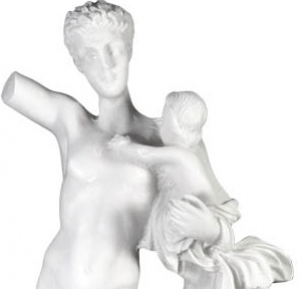
Hermes of Praxiteles, also known as Hermes and the Infant Dionysos, is an ancient Greek sculpture, depicting Hermes, the messenger of the gods, and the infant Dionysus, the god of wine. The statue was discovered in 1877 in the ruins of the Temple of Hera at Olympia and it is made of Parian marble. It is attributed to Praxiteles and dated around the 4th century B.C. Praxiteles was one of the prominent sculptors in the Late Classical period in Greece.

Discover Greece through its fascinating art and history!
This article has been brought to you in cooperation with MuseumMasters.


Like all the sculptors of this era, in his sculptures, he mostly used to depict the gods and goddesses of the Greek pantheon. The sculpture shows Hermes resting in the trunk of a tree, while the baby is trying to take something from his hand. While Hermes' right arm is missing today, originally it would have probably held a bunch of grapes, taunting the infant. As the myth suggests, Zeus ordered Hermes, his messenger, to hide the newborn from his wife Hera and take him to the nymphs in Crete. Hermes of Praxiteles is displayed at the Archaeological Museum in Olympia.

Friday, 20 February 2015 16:34

Dakos Delicious

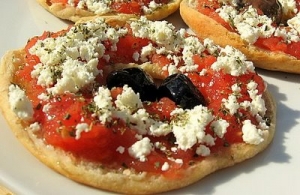
Dakos, whether you eat it for breakfast, lunch or as a snack any time of the day, it is always wholesome and filling. To make dákos you start with bread rusks. We like the traditional barley krithári or wholemeal olikís alésios rusks with their chunky texture and wholesome flavour. The word ντάκος comes from the way the bread is prepared. This is slicing the bread loaf three quarters of the way through and then baking. Bread rusks paximádia are enjoyed throughout Greece.

Traditionally in Greece paximádia are made by cutting slices from a loaf of fresh home-made bread and then baking them again in the oven till crunchy.

As you can see dako and paximádia are very similar, the difference being how they are cut before they are cooked.

Drizzle a little water on the rusks to soften, then pore plenty of Cretan olive oil over them. Grate fresh garden tomatoes directly onto the rusks and add onion rings.

To read more, please visit we-love-crete.com

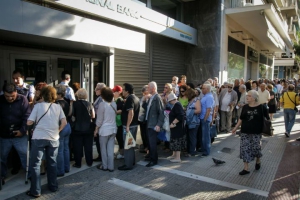
Greeks queued outside banks on Monday as they reopened three weeks after closing to stop the system collapsing, the first cautious sign of a return to normal after a deal to start talks on a new package of bailout reforms.

However limits on withdrawals will remain and payments and wire transfers abroad will still not be possible - a situation which German Chancellor Angela Merkel said on Sunday was "not a normal life" and warranted swift negotiations on a new bailout, expected to be worth up to 86 billion euros.

The stock market will also remain closed until further notice. Increases in value added tax agreed under the bailout terms have also taken effect with VAT on food and public transport jumping to 23 percent from 13 percent...

...Limits on cash withdrawals have been made slightly more flexible, with a weekly limit of 420 euros in place of the daily 60 euro limit previously. "Capital controls and restrictions on withdrawals will remain in place but we are entering a new stage which we all hope will be one of normality," said Louka Katseli, head of the Greek bank association.

Greeks will be able to deposit cheques but not cash, pay bills as well as have access to safety deposit boxes and withdraw money without an ATM card.

Bankers said there may be minor disruptions after the three-week interruption to services but they expected services to resume largely as normal. "I don't expect major problems, our network and the network of our competitors are ready to serve our clients," said a senior official at Piraeus Bank, one of the big four lenders. "There might be lines because many people will want to withdraw money from their deposit boxes," the official said.

To read this article in full, please visit: eKathimerini
Tuesday, 23 February 2016 07:00

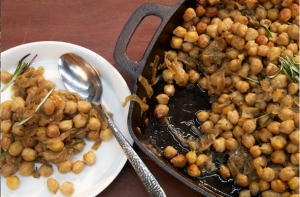
Revithia Sto Fourno / Baked Chickpeas

Revithia sto fourno, baked chickpeas, is something everyone MUST make at least once – it’s just that good. Using only five of the most ordinary of ingredients, this positively perfect authentic, rustic peasant dish is a cinch to make for the modern home cook.

Two big time-savers include subbing in canned chickpeas (good quality, of course) for dried and making your caramelized onions up to 4 days ahead. Fresh chopped rosemary, olive oil and salt/pepper round out your shopping list for this one so seriously, give it a try – YOU WILL NOT BE DISAPPOINTED. 

Of course, when you have the time, it’s always good to start with dried beans and boil your own so I’ve included the boiling directions below.  As I mentioned above though, it’s absolutely acceptable to substitute canned chickpeas here. Either way you go, remember to RESERVE either 2 cups of boiling liquid or 2 cups of the canning liquid to use in the recipe. It helps give an really nice, extra creaminess to the beans.

And caramelizing the onions is easy to do especially with the oven method shared here. It’s honestly just a matter of setting aside the time to peel and slice the onions.  The amount written may seem like more than you need but the thing is the onions really shrink down to a fraction of their original volume. Their sensational sugary, golden brown goodness infuses right into your chickpeas while they’re baking so they’re a KEY ingredient here. Just jump right in, start with one onion and they’ll just fly, you’ll be finished in no time!

Ingredients
  • 1 pound dried chickpeas (soacked and boiled until tender) or four 15oz cans
  • 1/2 cup olive oil
  • 2 cups reserved boiling liquid from chickpeas, or liquid from can
  • 1 tbsp dried chopped rosemary
  • 2 tsp salt
  • 2 tsp fresh ground black pepper
  • 2 1/2 cups caramelized onions
To read more, and to discover how to make Revithia sto Fourno, please visit: The Greek Vegan
Friday, 30 July 2021 07:00

Best Sandy Beaches Around Athens

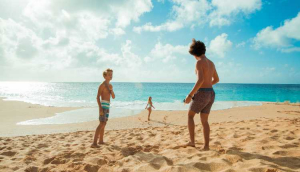
The Athenian Riviera is lined with countless beautiful, clean beaches to choose from. However, if you are fixed on sandy beaches, you should definitely visit one of the beaches listed below!


Mauro Lithari
Mavro Lithari Beach
@mavro_lithari_beach_bar

Located relatively close to Athens (about 39 km), Mavro Lithari is a small but sandy, organized beach. It beach bars with ice-cold drinks appropriate when the heatwaves strike. The refreshments and drinks served at the beach bar will come in handy when the temperatures rise.

Kakia Thalassa
Kakia Thalassa
@drone_arcade

Kakia Thalassa is one of the cleanest beaches in Attica (except during northern winds). This beach is paved with small pebbles outside and sand in the water, it is relatively organized with sun loungers, umbrellas, and swings for kids. It is about an hour's drive from the center of Athens.

Loubarda
Loubarda Beach
@karpdimitris
                               
Located in Agia Marina Bay, Loubarda is organized and has shallow turquoise waters. The beach offers shelter from the wind due to its unique location.

Saronida
Saronida Beach
@scarlet_starlet_mary

Saronida beach provides plenty of shade, but only if you get there in time to catch a spot to place your towel under the trees. It is sandy and has beautiful clear waters. It may not be organized, but you will find a kiosk and restaurants right across the road.

Grand Beach Lagonissi
@grandbeachlagonissi

Undoubtedly one of the most beautiful and luxurious sandy beaches in Attica. It has beautiful waters and sand inside and out. A set with an umbrella & 2 sunbeds for a maximum of 2 persons costs € 30.00 from Monday to Friday. A set with an umbrella & 2 sunbeds for a maximum of 2 persons costs € 60.00 on Weekends and Holidays. Special rates apply for children aged 2-12.


Monday, 23 July 2018 07:00

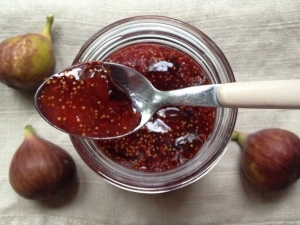
Greek Fig Jam

Good news; figs are finally in season! Make this easy fig jam recipe, which will go great with nuts, blue cheese, and prosciutto.
 
Ingredients
  • 1 kg ripped figs, peeled and chopped
  • 500gr caster sugar
  • Lemon juice of one lemon
  • 1 glass of water
To read the directions, please visit: Greece By A Greek
Page 15 of 452